Creativity, brainstorming and algorithms in the Age of AI.


AI is reshaping how we create and collaborate.
The future belongs to those who connect ideas, spark new insights, and move creativity forward.

The digital world can feel overwhelming.
Amped-up opinions sold as facts.
Bot-generated comments, everywhere.
In the middle of all that noise, an important question emerges:
How do we move beyond hot takes?
How do we think deeper, build better, and create work that truly matters, especially in a world where AI is increasingly becoming part of how we brainstorm, collaborate, and bring ideas to life?
This is not just a philosophical question.
It’s a strategic one, particularly as AI plays a role in how ideas are developed, tested, and shared.


The Problem with Surface-Level Thinking
In today’s attention economy, bold statements and sweeping generalizations grab attention.But true creative work isn’t just about standing out, it’s about thinking deeply and differently.
Too often, we settle for surface-level opinions engineered to trigger algorithms.
Real ideas, the ones that are new, meaningful, and impactful, often start unfamiliar. They feel unexpected. They require navigating complexity.
Hot takes often masquerade as groundbreaking insights. But most are simply blanket statements, loud and engineered to chase clicks rather than solve real problems.
Creative thinking demands more.
It demands reflection.
It demands lateral thinking.
It demands depth.
Friction Isn’t the Enemy. It’s the Path.
In marketing, creativity, and brainstorming sessions, the most meaningful breakthroughs don’t come from chasing templates or trends.
They come from embracing the mess.
One-size-fits-all solutions rarely hold up.
Metrics can measure progress, but if we’re not solving the right problems, or if we’re measuring the wrong variables, we risk drawing false conclusions.
(After all, even a broken clock is right twice a day.)
In an era of AI for brainstorming, the winners won't be those who generate the most ideas.
It will be those who know how to think laterally, connecting dots others can’t even see yet, and who know when to trust intuition, when to test, and when to refine.


System 1 and System 2 Thinking: Why Both Matter for Creativity
Every creative process, whether human, AI-assisted, or both, depends on more than just having ideas. It depends on how we think.
Some ideas appear in a flash: an instinct, a gut feeling, a sudden pattern we recognize without fully understanding why.
Others emerge more slowly: through careful reflection, critical analysis, and deliberate problem-solving.
Psychologist Daniel Kahneman popularized this idea in his work Thinking, Fast and Slow — describing the two systems that shape our thinking and decision-making:
System 1 Thinking is fast, automatic, instinctive.
System 2 Thinking is slow, deliberate, reflective.
This Dynamic Isn’t a New One.
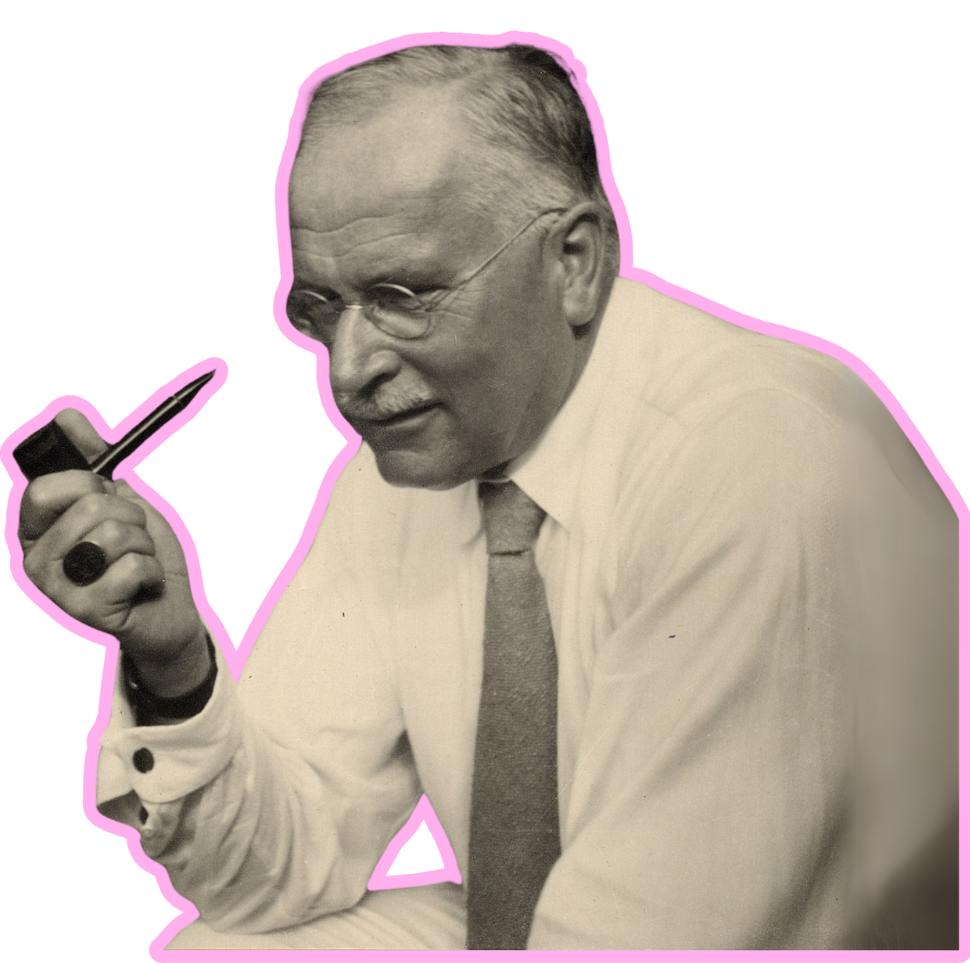
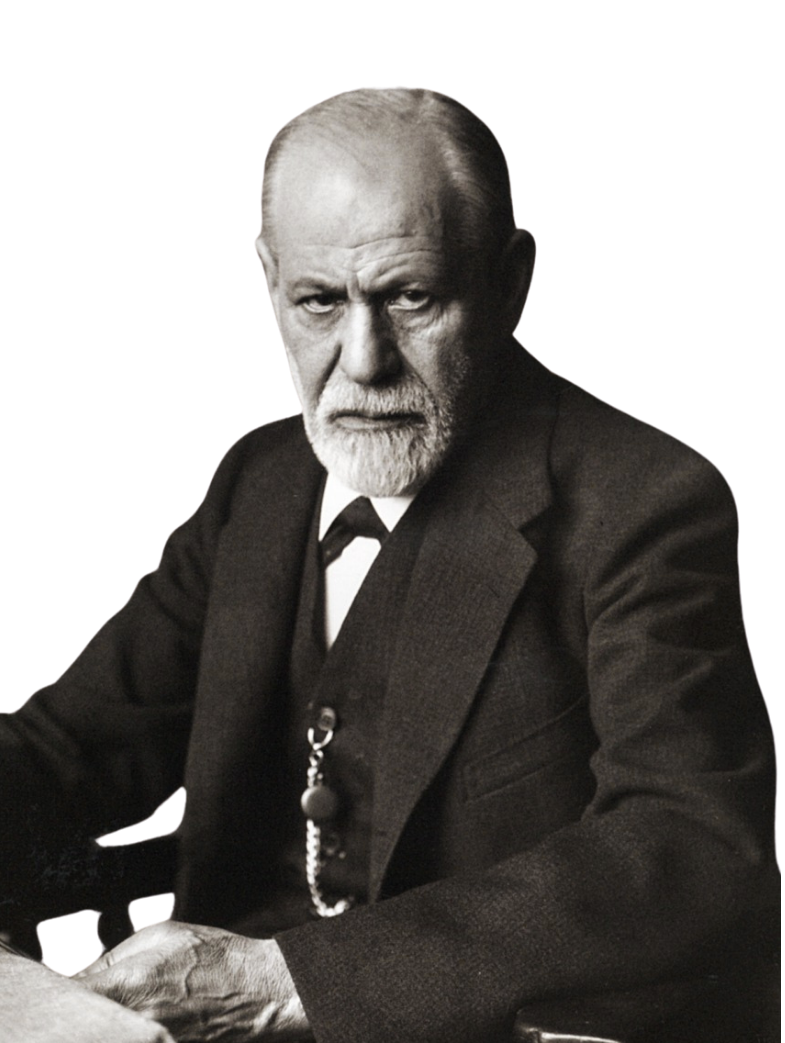
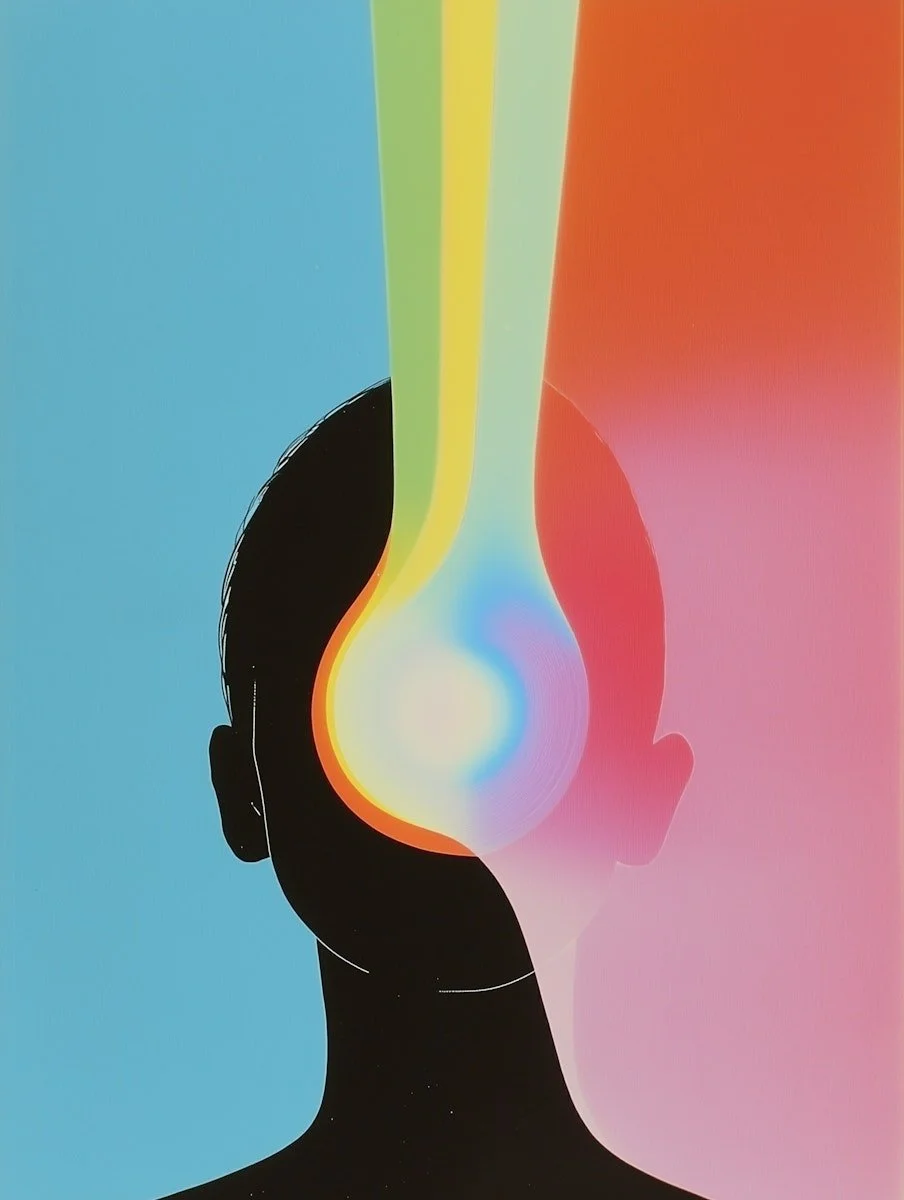
Freud and Jung, two early pioneers of psychology, offered contrasting views of the unconscious that mirror how we approach creative thinking and problem-solving.
Freud focused on instinct—fast, automatic drives that shape behaviour beneath our awareness. His view aligns with System 1 thinking: rapid, emotional, and reactive.
But, where Freud sought to manage instinctual forces, Jung saw the unconscious as a gateway to deeper meaning, self-awareness, and growth—a space to explore, not control.
Jung’s approach mirrors System 2 thinking: slowing down, embracing complexity, and broadening how we think and perceive.
Together, they show the power of balancing both: the spark of instinct, and the clarity that comes from looking deeper.
As AI accelerates what’s possible, it’s this blend of instinct and reflection that turns speed into substance.
Your Unique Perspective Matters More Than Ever
Taste isn’t reserved for the few, or confined to luxury, despite what conspicuous consumption would have us believe.
Your hard-earned point of view, shaped by experiences, contradictions, heartaches, joys, and dreams (both literal and figurative), is your greatest asset.
It’s forged through deep thinking, reflection, and experimentation.
This is what enables you to see what others miss. And this is what AI can help amplify — but not replace.
Sharing your perspective requires vulnerability:
The willingness to take risks.
The willingness to rethink.
The willingness to begin again.


The Future of Creativity and Craft
AI can help build what you imagine.
It can automate. It can accelerate. It can optimize.
But the vision?
The vision comes from you.
The future of creativity, marketing, and collaboration won’t just belong to the loudest voices.
It will belong to those who:
Ask sharper questions
Think more deeply
Experiment more boldly
Create with greater intention
Tools will evolve.
Taste, insight, and discernment will set you apart.