

Applying JTBD (Jobs to Be Done) in Content Strategy
Applying the JTBD framework helps you approach people with empathy, meet them where they are, and create content and messaging that connects.
Imagine you’re buying a camera. Are you really just purchasing a device with a lens, a button, and a flash? In the JTBD framework, the answer is no. You’re buying the ability to capture memories you can relive again and again.
That’s the essence of JTBD. People “hire” products or services to get specific jobs done or achieve goals. With a camera, as with many products and services, the job goes beyond practical outputs and is tied to the meaning a person assigns to it, such as creative expression, preserving memories, being present in the moment, or having tangible reminders of joy in a heavy world.
JTBD was developed by Tony Ulwick and popularized by Harvard Business School’s Clayton Christensen. Psychologically, a “job” is about progress, namely who we want to become and how we want to feel. Sociologically, those hopes are largely shaped by the context of the broader zeitgeist, as it greatly influences how we define progress.

Culture Shapes the “Job” People Hire You to Do
The jobs people hire a product or service to do can shift with the culture around them.
Smartphones, for example, put a camera in every pocket, turning photography into something effortless and endless. Today, the real challenge is staying present in the moment.
AI is driving a similar shift everywhere. Anyone can now generate almost anything in minutes. As everything speeds up, people increasingly hire products to be an anchor, giving them something steady, human, and real to hold onto.
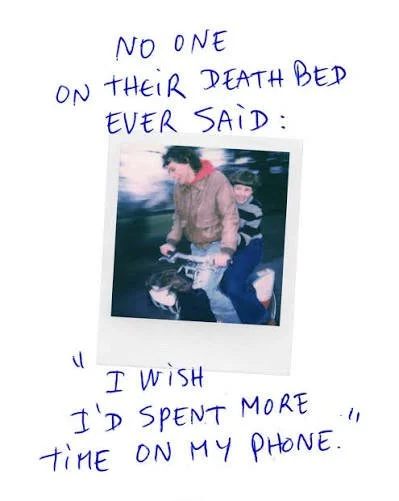
You can see this desire for something real in the growing backlash against optimization culture. After years of tracking steps, scoring sleep, and measuring biological age, the Global Wellness Summit named an "over-optimization backlash" a defining trend of 2026.
Rather than relying exclusively on data, people are paying closer attention to how things actually feel, tuning into their emotions and intuition. That pivot is clear in search data: interest in somatics has climbed 245% over two years, while searches for "nervous system regulation" have jumped nearly 1,000% year over year across Google, TikTok and Instagram.
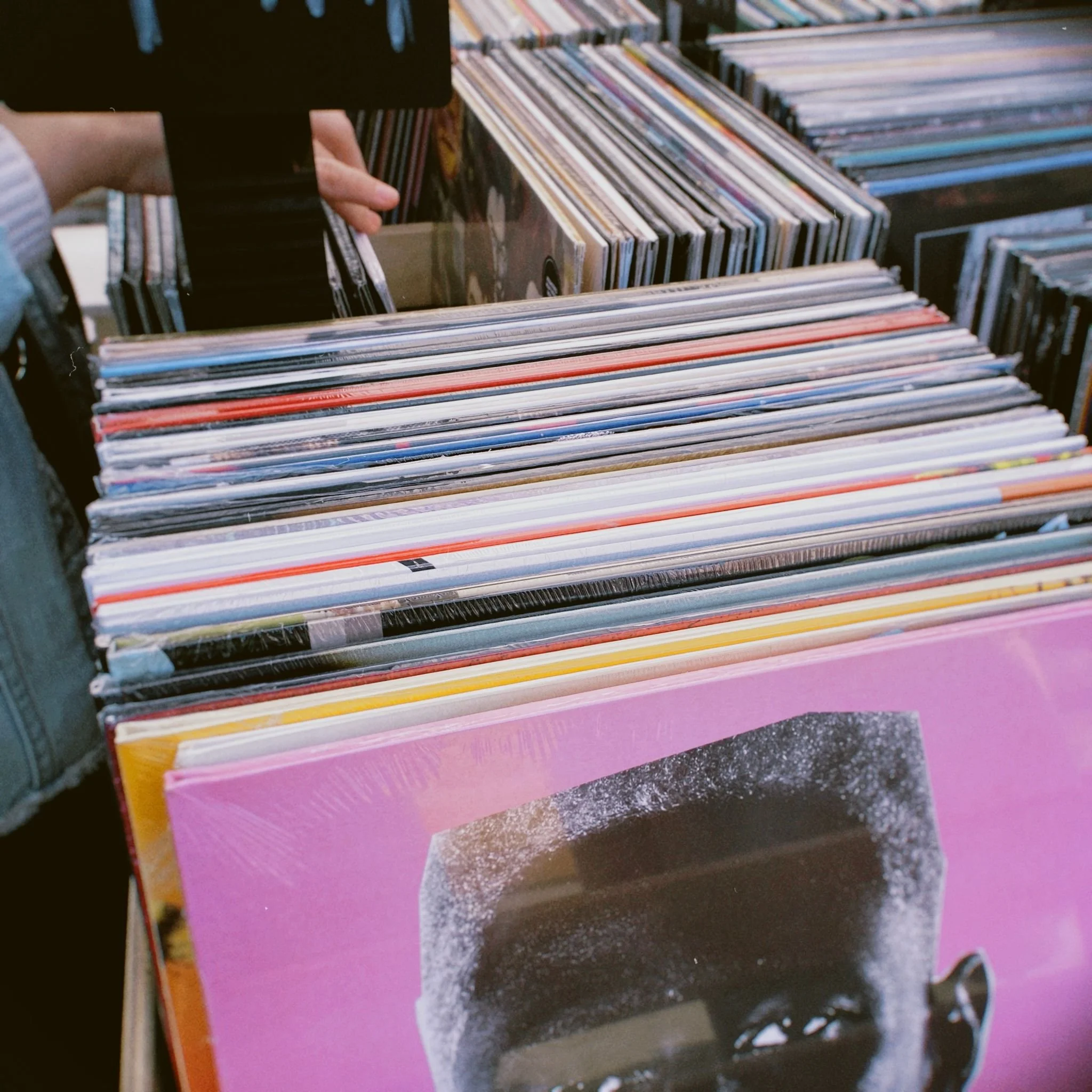
Exhausted by screens and increasingly conscious of what convenience culture has cost them, people are intentionally choosing the harder route. This can mean welcoming small inconveniences, embracing manual effort, and opting for analog experiences over AI shortcuts.
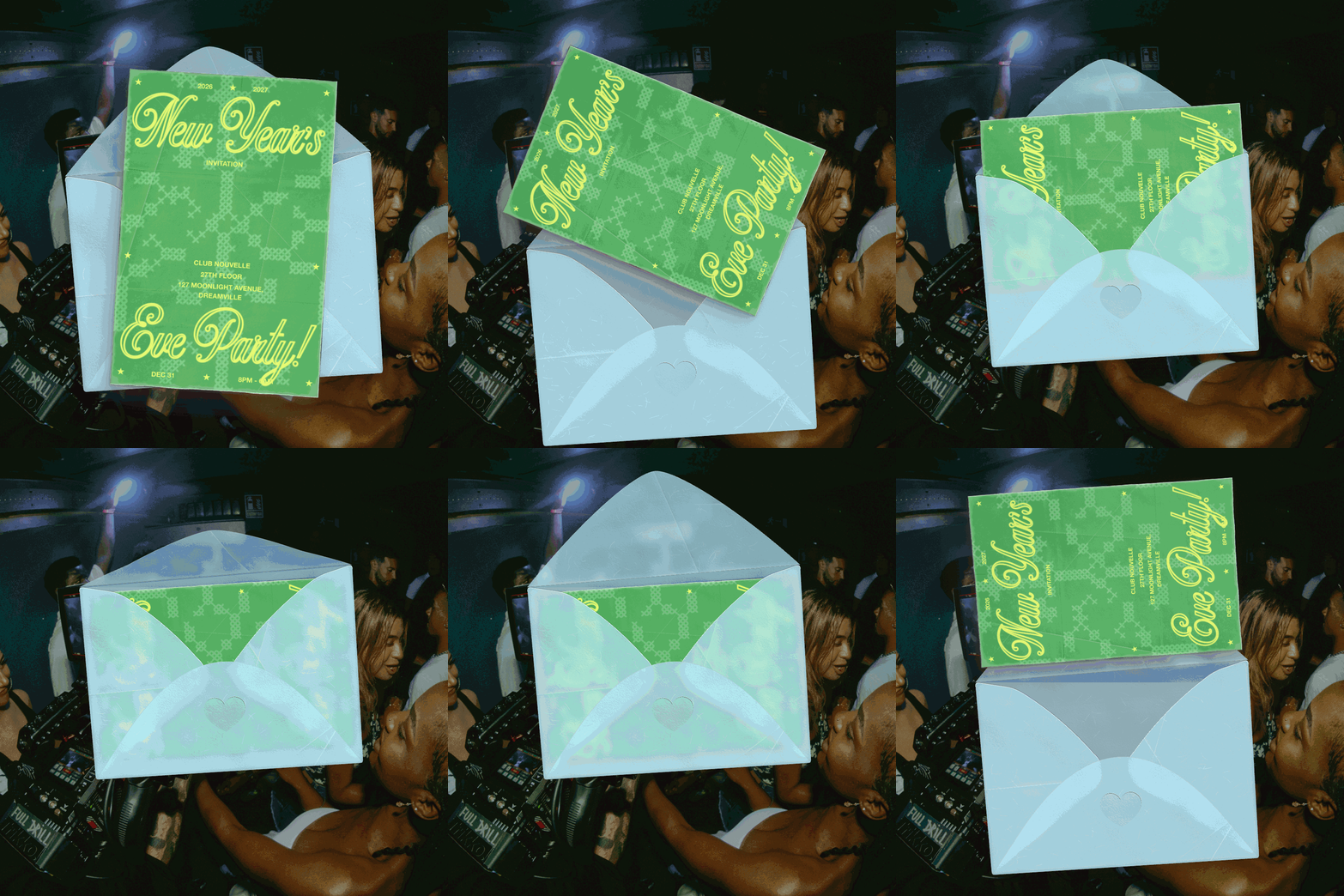
Live entertainment is reflecting that same desire to disconnect. Phoebe Bridgers’ arena tour requires audiences to lock their phones in pouches upon entry. Intead of chasing “instagramable” moments, artists are focused on making people feel something real.
Ultimately, cultural status itself is growing quieter, shifting toward personal taste that algorithms simply cannot replicate or reverse-engineer.
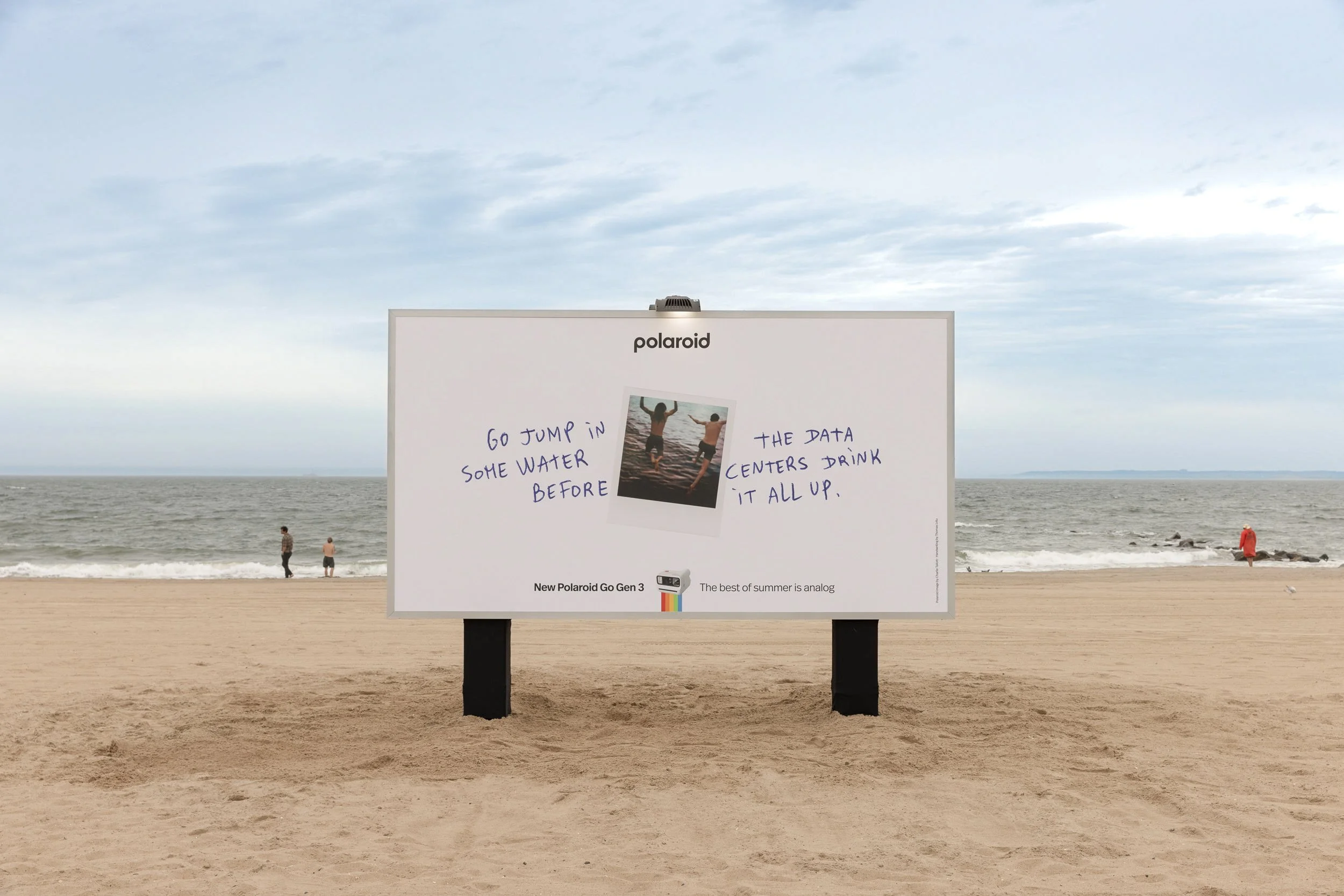
Polaroid's "The Camera for an Analog Life" campaign speaks directly to this, but it would be an oversimplification to say everyone hires an instant camera for the same reason.
For some people, it's about presence, a way to look up from the phone and be in the moment. For others, it's about what the camera signals about them and their values, which makes it a path to belonging. It can be a creative outlet, or a way to keep a small memento of the people they love. It can also be a small protest, a tiny slice of rebellion that lets them slow down and, in a world increasingly run by agents and dominated by algorithms, feel more of their own human agency. The functional job never changed, but culture layered new emotional jobs on top of it, and which one matters depends on who is doing the hiring.


People are messy.
Culture shapes the pressures we're all under, but not how each of us responds. The same person who is actively cutting back on screen time might also be using YouTube to learn a new skill. In JTBD terms, that isn't a contradiction. Unlike personas and demographics, which can flatten people, the JTBD framework acknowledges that we hire different products for different jobs, in different moments.
On closer look, the two actions may be the same impulse. Both are a move from passive scrolling to intentionality over attention, and a way to feel more of our own human agency in a world that feels like it is slipping away.
So before you write your messaging, ask what your audience is pushing back against and what they are reaching for instead. The world we live in shapes the jobs we hire for.



You might also like: